Trans-Siberian Budget Passage
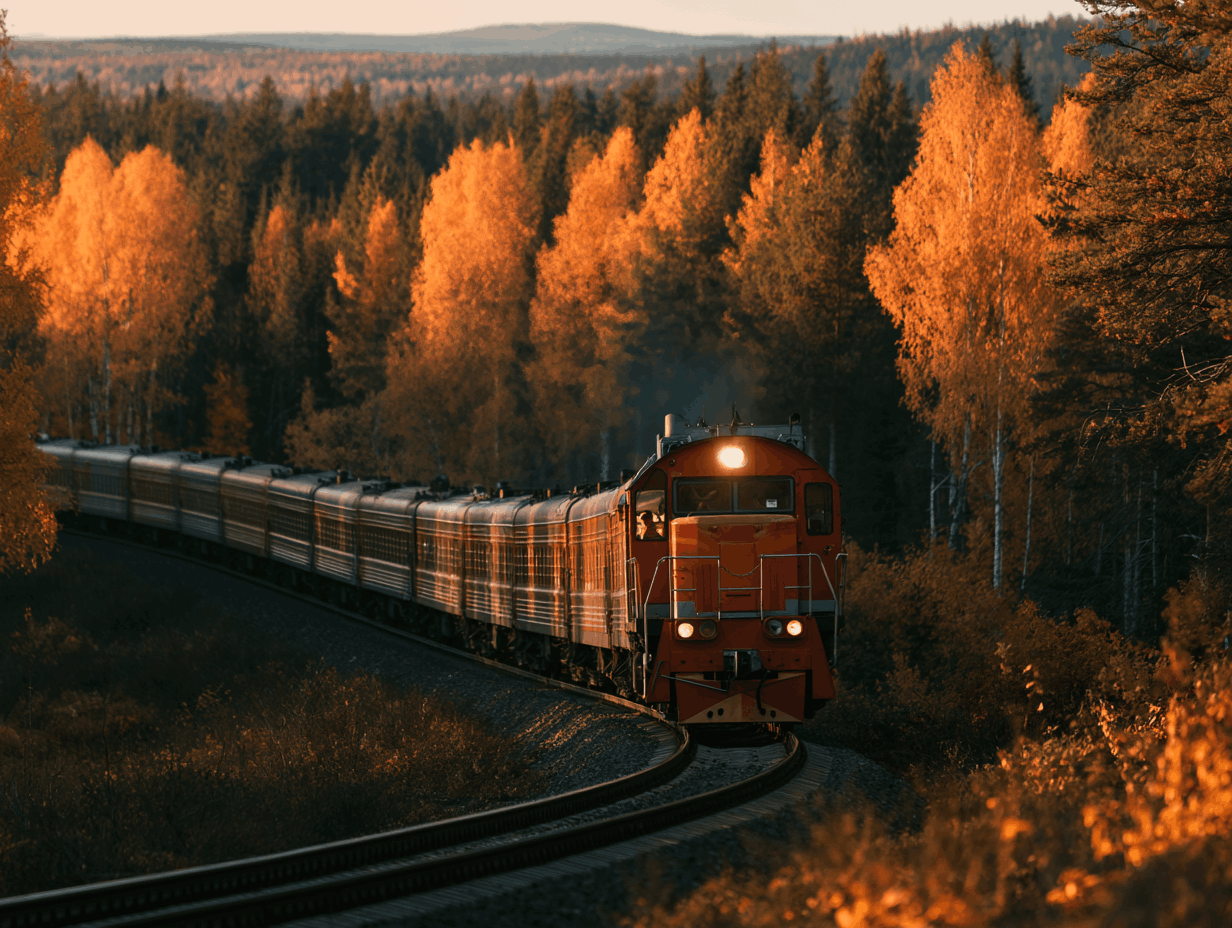
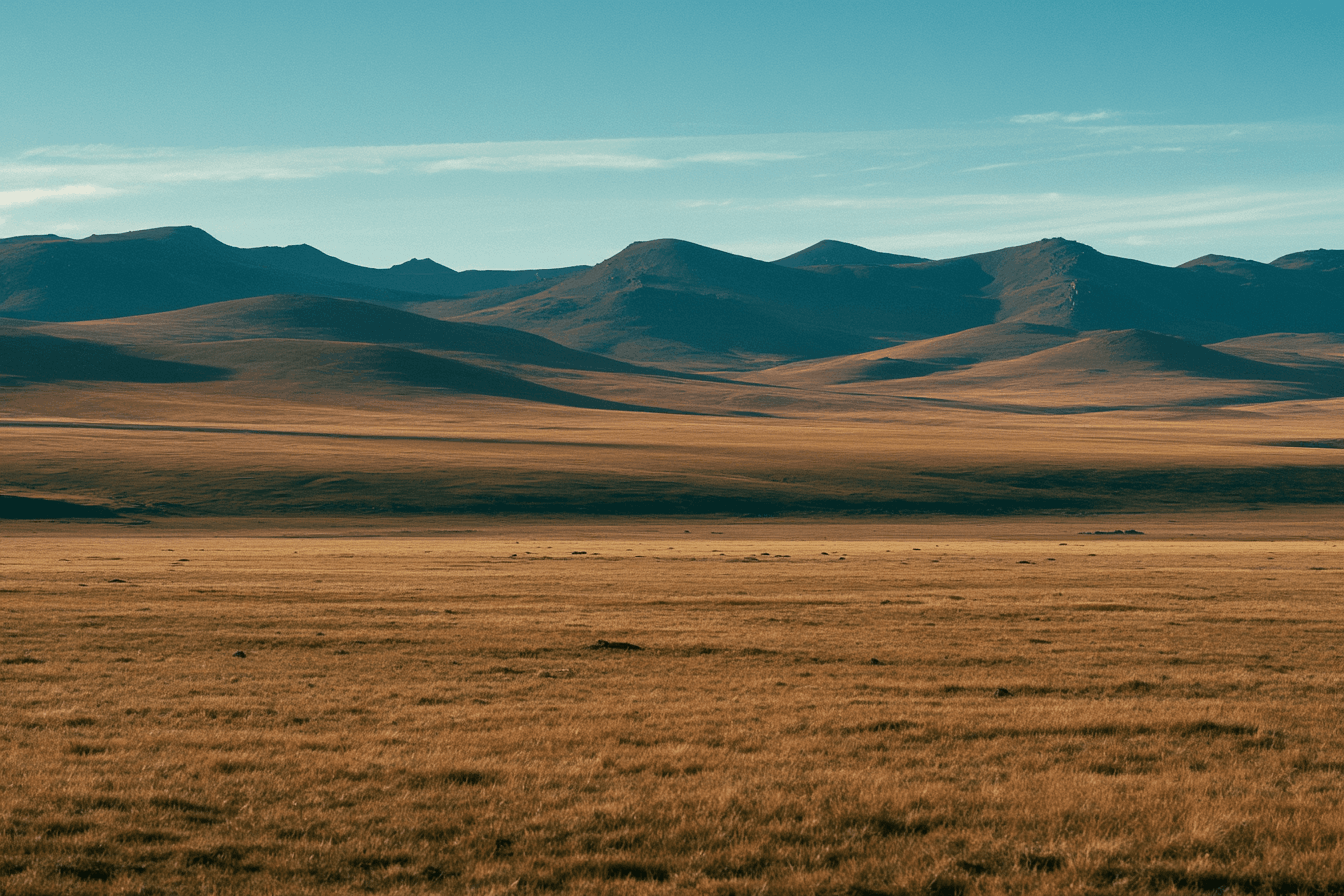
The classic overland corridor from Moscow to Vladivostok with practical train segments, stopover cities, and cost-saving options.
This is one of the longest continuous land passages in the world. The main line runs east from Moscow across the wide plains, through the Urals, then into Siberia and finally down to the Pacific at Vladivostok. Most of the journey happens on regular passenger trains that stop in a string of cities where you can step off, rest, and continue later. The appeal for budget travel comes from the simple fact that train tickets stay relatively low when booked in advance and you can stretch the trip with cheap overnight stays in the larger towns.
Before you plan this route
Check the current official travel advisory of your own country before considering this passage. Several governments, including the United States, currently advise their citizens against travel to Russia, international bank cards issued abroad may not work there, and some border crossings and international connections are suspended. Conditions can change quickly, so treat this page as background information and confirm visa, entry, payment and safety requirements with official sources first.
Main path
The usual way starts in Moscow and heads east. First long stretch reaches Yekaterinburg after crossing the low Ural hills. From there the trains continue through the flatter Siberian country toward Novosibirsk and then Krasnoyarsk. After that the route moves into more forested ground and passes Irkutsk, which sits near the big lake. The final part drops south-east toward Khabarovsk and ends in Vladivostok. Full continuous travel without long stops takes about a week, but most people break it into shorter segments of two or three days each. That way the journey stays manageable and costs stay under control.
Alternative passages
If the direct long-distance trains feel too full or the prices rise in peak months, you can switch to a series of regional trains that cover the same corridor in shorter hops. Another option is to leave the main line at Irkutsk and travel a bit further to the lake area before rejoining later. In the far east some people cut the last section by taking a different train that runs closer to the Chinese border and then swings back. Air connections between the bigger cities sometimes appear as a backup when a train segment is delayed, though they cost more and break the pure overland feeling.
Tips for the traveler
Buy the longer train tickets early because the cheaper berths disappear first. Open carriages or lower bunks usually give the best balance of price and comfort for overnight stretches. Food on board is basic, so packing some supplies from station shops helps keep daily costs down. Stopovers work well in Yekaterinburg, Novosibirsk and Irkutsk; each has simple guesthouses not far from the stations. Watch the time zones carefully as the clocks change several times along the way and it is easy to misjudge arrival times. In summer the trains can get warm, while winter brings very cold platforms, so dress in layers that you can adjust inside the carriage.
When the route works and when it does not
The passage is most practical from spring through early autumn when daylight lasts longer and station areas feel livelier. It suits travelers who prefer slow movement and do not mind sharing space for days at a time. The same corridor becomes harder in the depths of winter. Delays grow more common, platforms are freezing, and some smaller stopover places feel closed up. It also loses its budget advantage if you try to rush the whole distance without stops or if you leave ticket buying until the last week. For anyone ready to move in stages and keep plans loose, this remains one of the most open and affordable long passages across the continent.
Occasional notes on fresh routes, seasonal changes and useful fixes. No frequent messages.
© 2026 Open Passage Expedition LLC. All rights reserved.
