Iceland Ring Road Scenic Passage
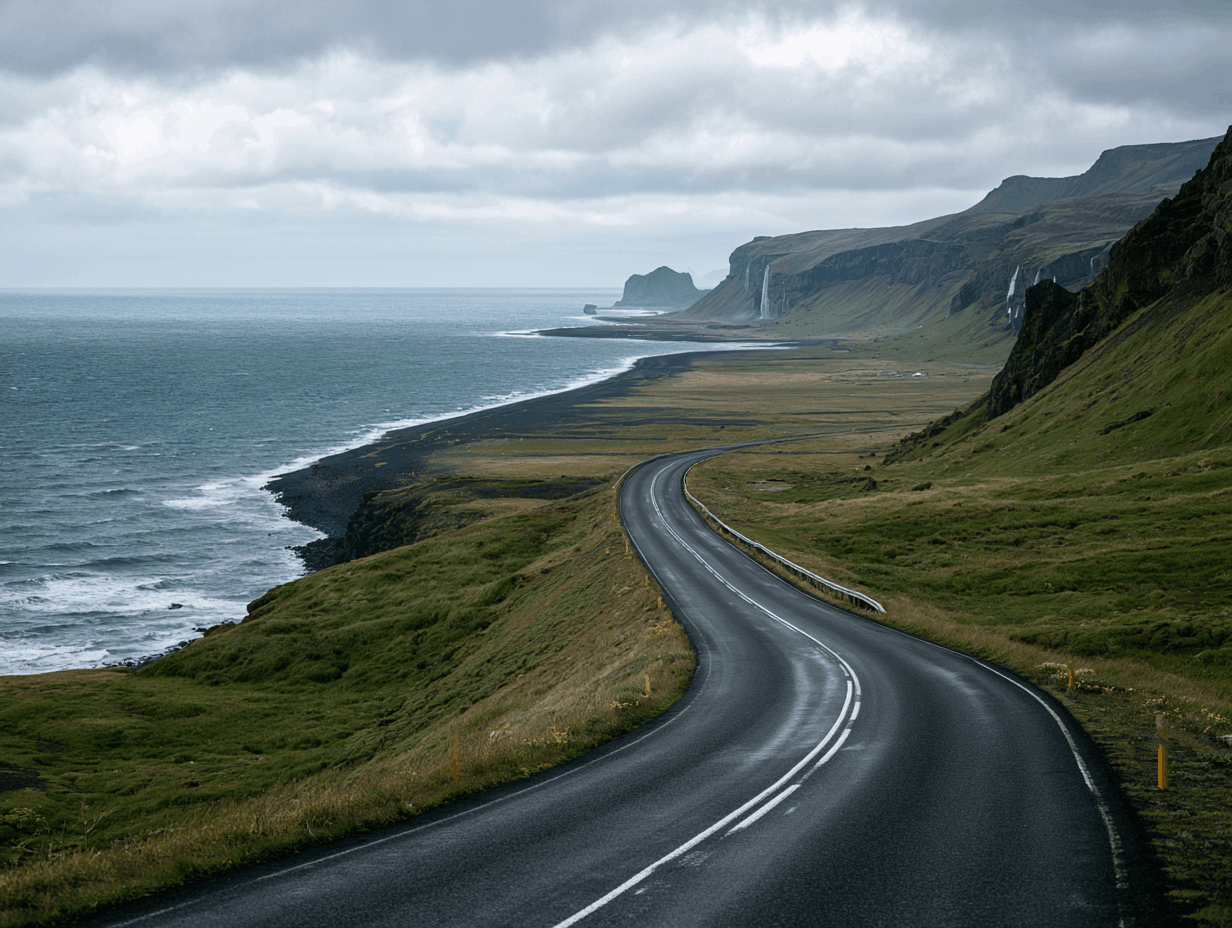
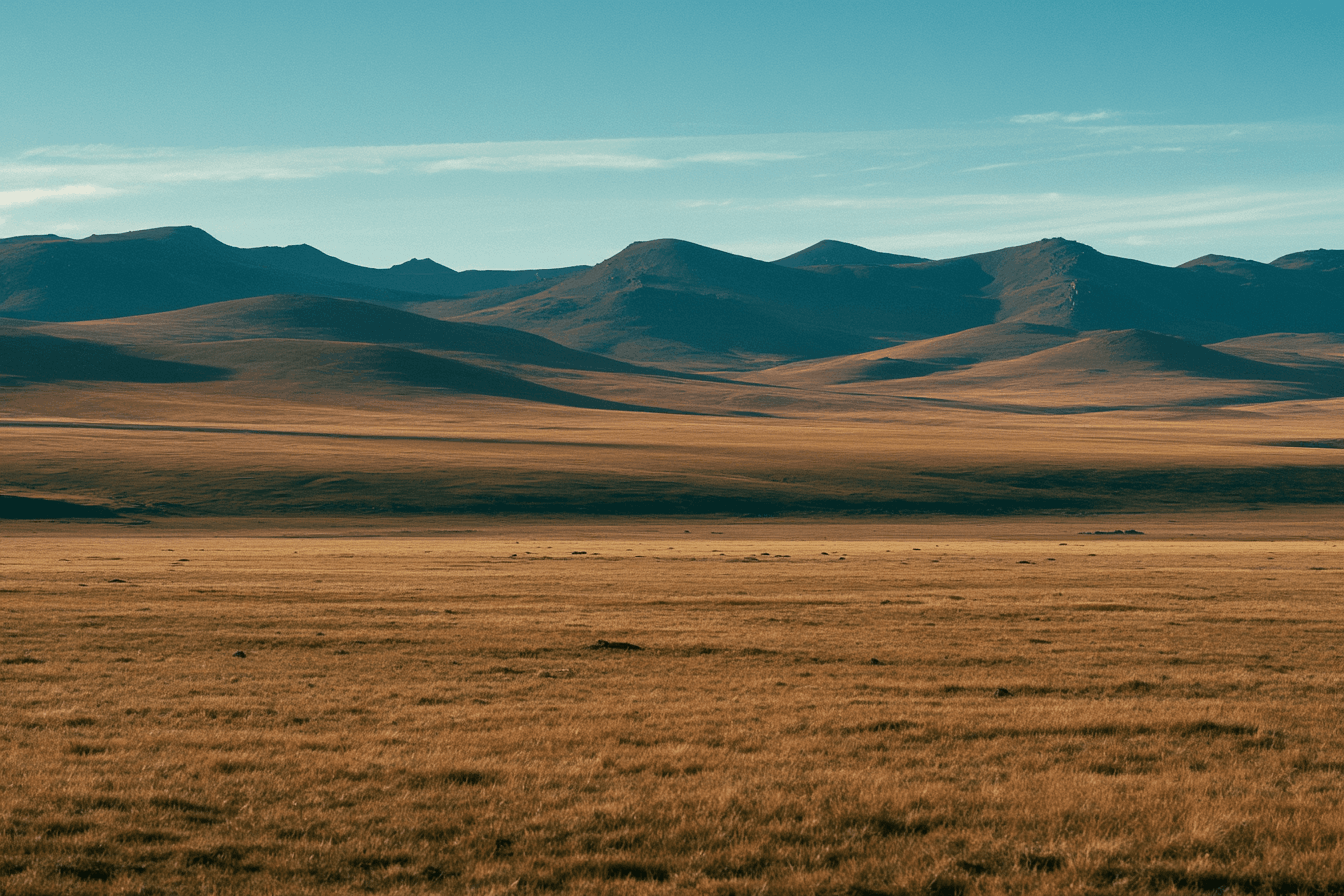
A continuous coastal and highland route linking Reykjavik, the South Coast waterfalls, and the East Fjords with flexible overnight stops.
This route forms one of the most open passages around Iceland. It follows the main Ring Road in a wide loop that starts and ends in Reykjavik, moving first along the South Coast, then into higher ground and the quieter East Fjords before circling back. The path stays mostly paved and well marked, yet it still feels like an expedition because the landscape changes so often and the weather can shift without much warning.
Main path
The usual direction runs clockwise from Reykjavik. You leave the capital and head east along the southern coast. Early stops include the waterfalls near Selfoss and the black sand stretches further on. From there the road climbs a little into open highland sections before dropping toward the East Fjords. Villages such as Djupivogur and Egilsstadir offer natural places to pause. After the fjords the route turns north and west, passing through more open country and eventually returning to Reykjavik from the north side. Most people cover the full loop in seven to ten days, but the exact timing depends on how many side tracks you decide to follow.
Alternative passages
If the southern coast feels crowded or weather closes a section, you can drop south earlier and use the inland highland roads when they are open in summer. Another option is to start the loop in the opposite direction, heading north first and saving the South Coast for the return. For those arriving by air, the main airport near Reykjavik works as the usual entry, but smaller airfields in the east or north sometimes open short hops that cut a long driving day. In winter some highland connectors close completely, so the coastal road becomes the only reliable way around.
Tips for the traveler
Keep an eye on road condition reports each morning because wind and sudden rain can make certain stretches slower. Fuel stops are regular on the main road but grow thinner in the east, so fill up when you have the chance. Overnight stays work best in small guesthouses or simple campsites rather than large hotels; the flexible part of this passage is that you can change plans daily without much trouble. Bring layers even in summer. The weather rarely stays the same for a full day. If you plan to leave the Ring Road for short side trips, check local advice first. Some gravel tracks look inviting but turn rough after rain.
When the route works and when it does not
This passage is most convenient from late spring through early autumn, when daylight lasts long and most roads stay open. It suits travelers who like to move at their own pace and stop whenever a view or a waterfall appears. The route becomes less practical in deep winter, when storms can close sections for days and daylight is short. It also feels harder if you are trying to rush the whole loop in under a week. In that case the distances and changing conditions start to wear you down. For anyone willing to stay flexible and take the time, the Ring Road remains one of the clearest open passages in the north.
Occasional notes on fresh routes, seasonal changes and useful fixes. No frequent messages.
© 2026 Open Passage Expedition LLC. All rights reserved.
