New Seasonal Hubs Opening in Central Asia

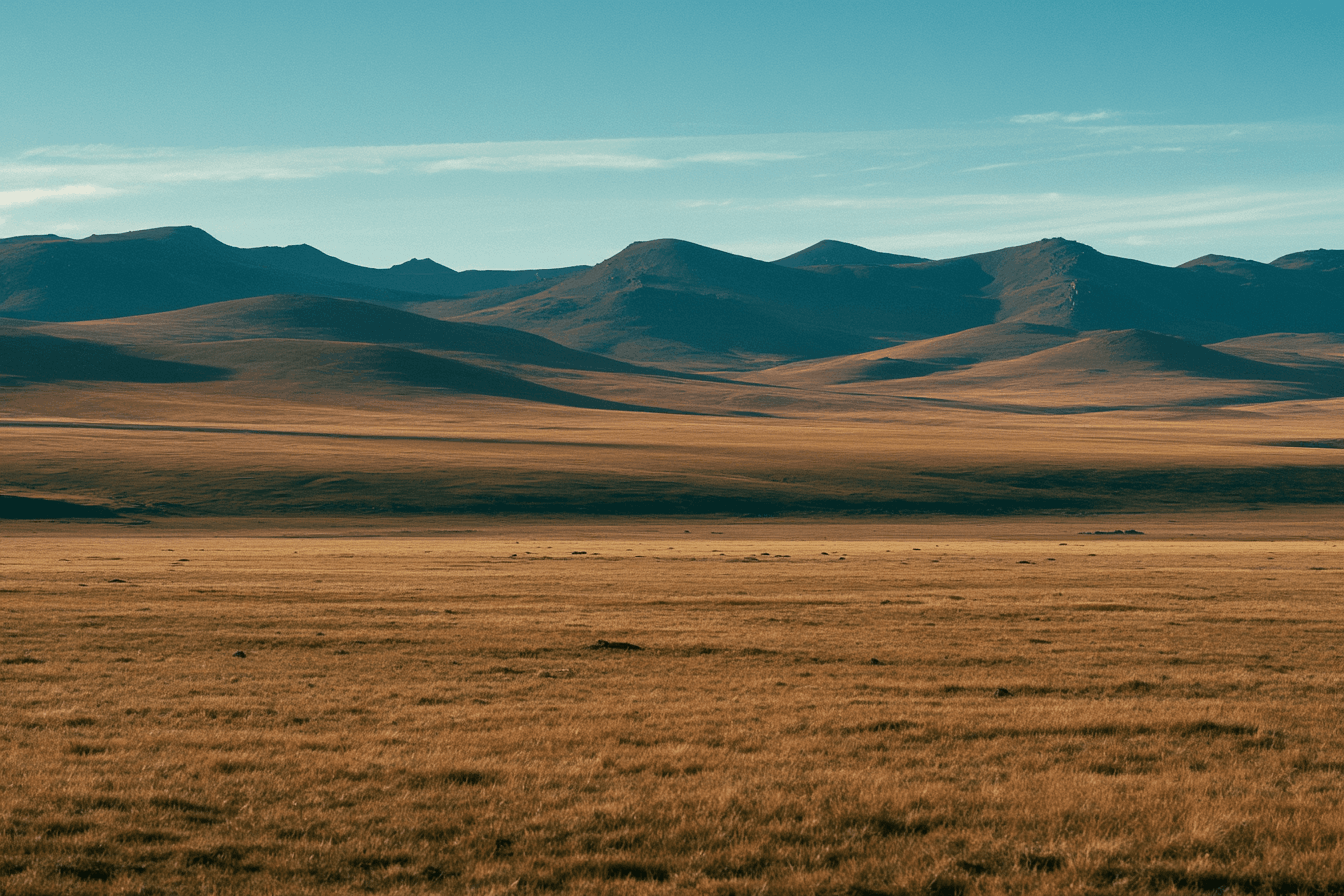
Recent route changes and temporary connections through Almaty and Tashkent that open shorter paths across the region.
Over the last few months several new seasonal links have appeared through the two main hubs of Almaty and Tashkent. These additions cut travel time between parts of Central Asia and also create easier bridges toward the Caucasus and western China. The changes are mostly temporary or limited to the warmer months, yet they already give travelers more direct options than the older longer detours.
Main updates
The strongest new connections run through Almaty. Fresh seasonal services now link the city more frequently with points further west and south, reducing the need for double stops. Tashkent has seen similar short-term openings that improve links toward the Fergana valley and beyond. Together the two hubs form a clearer east-west corridor that was harder to use just a year ago. Most of these additions operate with higher frequency between late spring and early autumn, then drop back or pause when demand falls.
Alternative passages
When a new seasonal flight fills up, the older rail and road combinations between Almaty and Tashkent still work as a reliable backup. Some travelers now mix one of the new air segments with a short overland hop to reach smaller towns that remain outside the seasonal network. In the opposite direction, a few temporary links through secondary airports near the border open extra ways around if the main hubs become crowded. These secondary options usually cost less but take more time.
Tips for the traveler
Check the exact operating dates carefully because many of these services end without much notice once the season turns. Early morning departures tend to be more stable than evening ones in this region. Ground transfers between the city centers and the airports remain straightforward, though traffic in both Almaty and Tashkent can slow things down at peak hours. Keep a flexible onward ticket when possible, since schedules sometimes shift by a day or two. Local transport apps and station boards give the most current information once you arrive.
When the updates help and when they do not
These seasonal hubs work best from May through September when the extra flights and connections run at full strength. They suit travelers who want to cross the region faster and with fewer long waits. Outside that window the same paths often disappear or become much less frequent, forcing a return to the older slower routes. The new options also lose value if you need guaranteed year-round schedules or if you are moving during major local holidays when seats disappear quickly. For anyone traveling in the open months and ready to adjust a little, the current changes open some of the shortest passages Central Asia has seen in recent years.
Occasional notes on fresh routes, seasonal changes and useful fixes. No frequent messages.
© 2026 Open Passage Expedition LLC. All rights reserved.
