Americas Passages – Andean High Routes
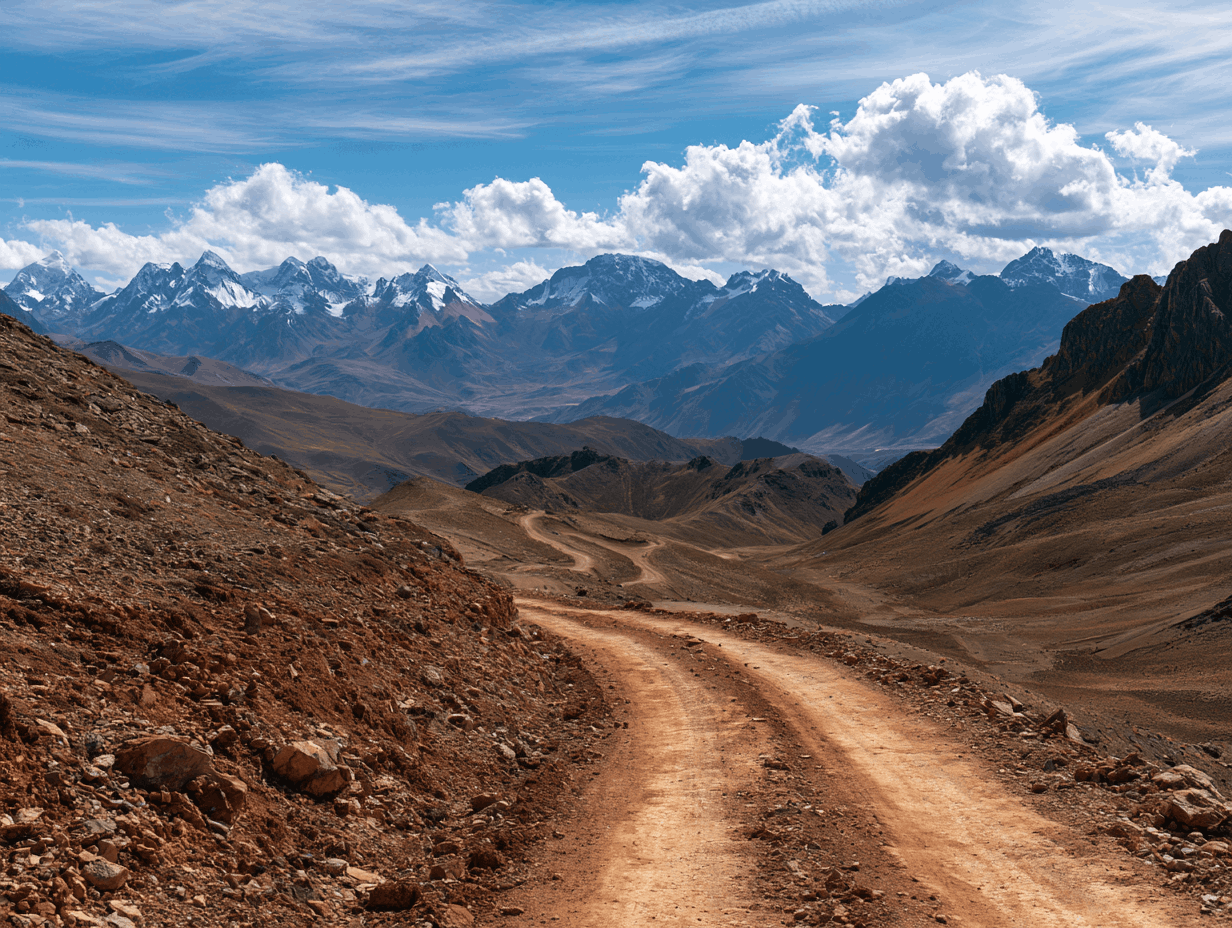
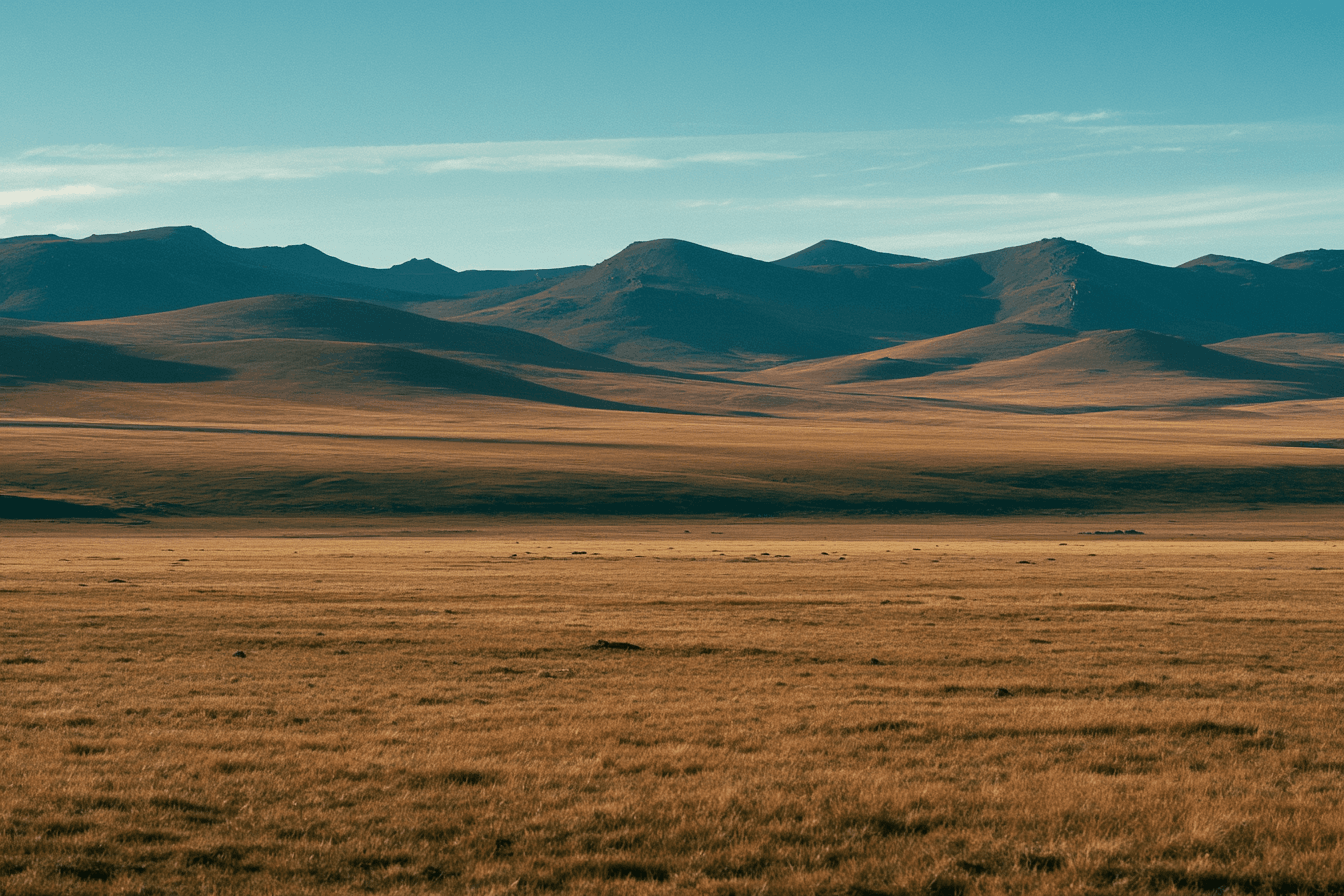
Overland and combined air-land paths through the Andes from Quito to southern Peru.
The high spine of the Andes offers a long continuous corridor from Ecuador down into southern Peru. The practical ways through this stretch mix regular buses, occasional shared vans and a few short flights that cut the most tiring sections. The routes stay high for long periods, crossing passes and plateaus that sit well above the coastal plains. Most travelers move south in stages, stopping in the larger valley towns where overnight options remain simple and frequent.
Main paths
One steady overland route begins in Quito and follows the central valley south through a series of highland towns before reaching the Peruvian border. Another path combines a short flight over the highest section with bus legs on either side, reducing the time spent on the slowest mountain roads. A third corridor stays closer to the western slopes and uses a mix of coastal and highland buses that eventually climb back toward the main Andean chain. The fourth option starts further south and works north in reverse, which sometimes opens better connections on the Peruvian side. A fifth path links the main valley with a higher parallel road that sees less traffic and offers wider views before rejoining the primary route near the southern end.
Alternative passages
When a high pass is closed by snow or landslides, the lower parallel roads or a short flight usually provide a workable detour. Some sections allow a switch between bus and shared van services that leave more frequently from the smaller terminals. In a few places a combination of overnight bus and early morning continuation covers the same distance with less daytime fatigue. If one border crossing grows slow, a nearby alternative post sometimes remains quieter and still accepts the same documents.
Tips for the traveler
Altitude affects the early days more than later ones, so shorter stages help at the beginning. Night buses are common and save daylight hours, yet a warm layer is needed because temperatures drop once the sun goes down. Ticket offices in the smaller towns often sell the next leg only on the day of travel, which keeps plans flexible but requires an early start. Simple snacks and water are useful between stops because services along the high roads stay limited. A quick check of road conditions the evening before can reveal whether a pass is open or whether a lower alternative is wiser.
When the routes work and when they do not
These Andean high paths are most practical in the drier months when the passes stay clear and the bus schedules run closer to normal. They suit travelers who can accept long days and changing altitudes rather than seeking the fastest possible crossing. The same corridors become slower and less predictable in the rainy season, when landslides and fog delay many of the higher sections. They also feel demanding if every stage is pushed without rest days in the valley towns. For anyone ready to move gradually and adjust to the altitude, the high routes still open some of the most direct overland passages from Quito through the length of the Peruvian Andes.
Occasional notes on fresh routes, seasonal changes and useful fixes. No frequent messages.
© 2026 Open Passage Expedition LLC. All rights reserved.
